FOREST FORAGE
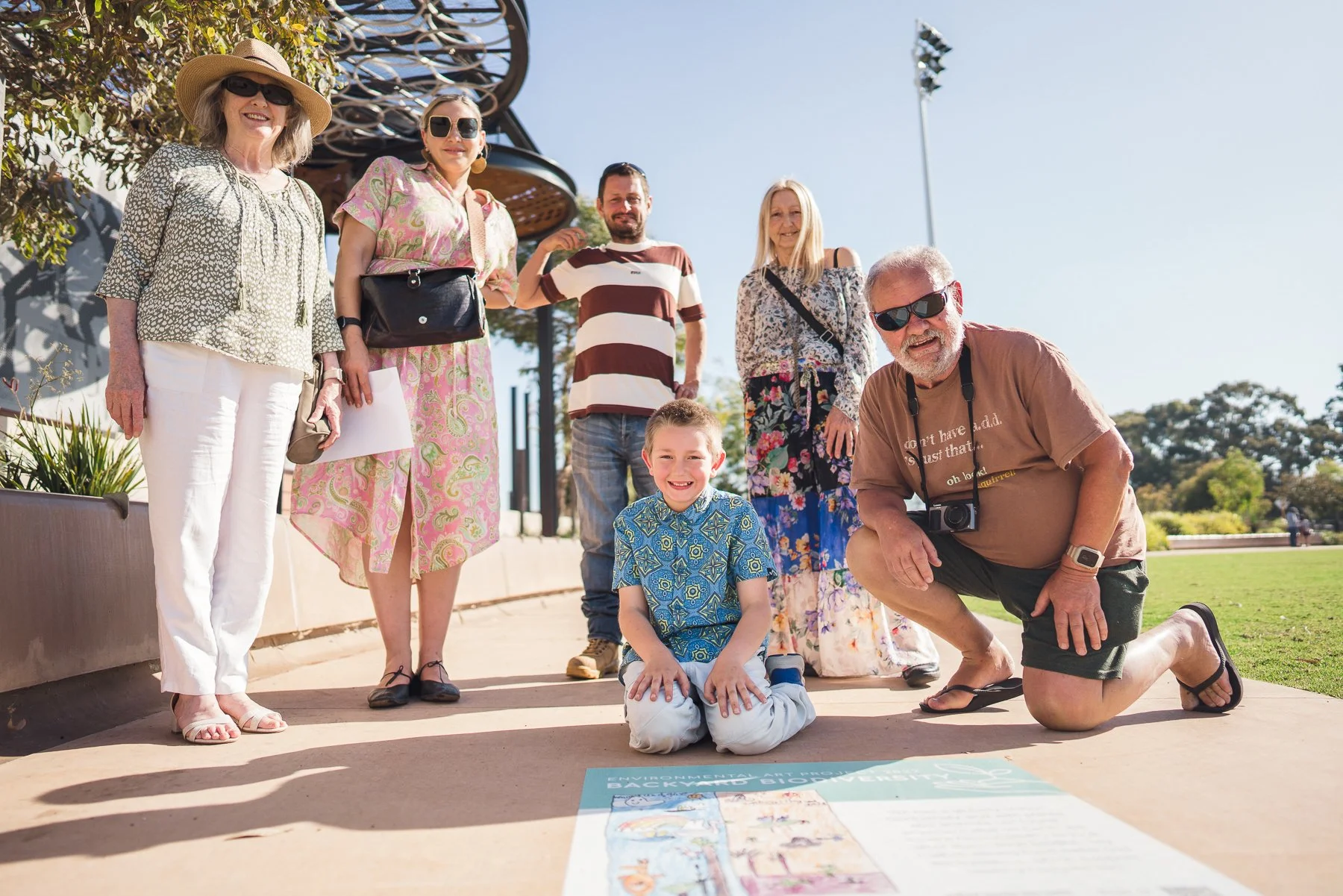
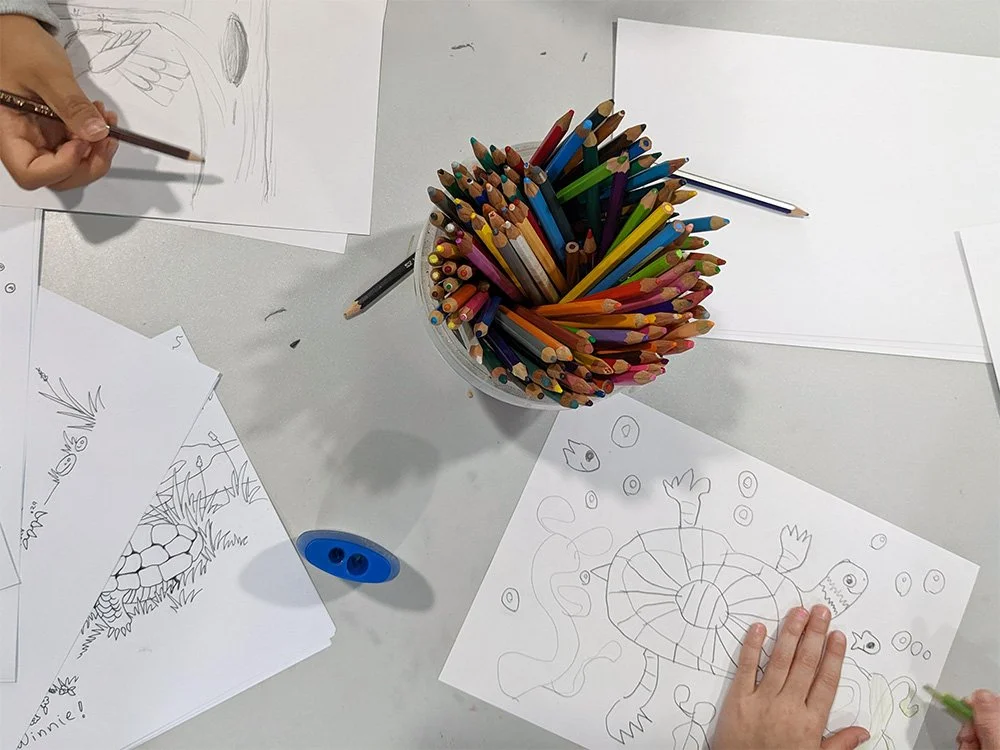
The Environmental Art Project (EAP) is an annual initiative encouraging primary school and homeschool students in the Shire of Mundaring and City of Swan to explore local environmental issues, whilst developing their own positive message about protecting ecosystems.
Download Education Resource Pack >
PROMPTS FOR LOWER PRIMARY YEARS 1 - 3
Who Eats Who, or What, and When?
Students are to investigate local food sources for native wildlife.
Their artwork should depict a chosen animal and the plants, or other creatures, they rely on as food. Alternatively investigate a plant (e.g.: banksia) and all the different animals that feed from it.
Consider also when your animal eats, is it day-time diner or a night-time nibbler?
PROMPTS FOR UPPER PRIMARY YEARS 4 - 6
How can we protect or improve food sources for Native Wildlife?
Students will select one type of habitat to investigate (jarrah forest, banksia woodland, backyard, verge, school garden, waterway, rock outcrop etc), identifying which animals are eating what... Alternatively, look at the different animals supported by a single plant (banksia, eucalypt, native grasses), and how a plant’s food offerings (new shoots, leaves, nectar, seed heads, nuts, fruits, tubers, etc) change across the seasons.
Their artwork should depict the connection between plants and animals in a healthy ecosystem, and what we can do to ensure wildlife have access to reliable local food and/or water sources.
As the artworks are posters, students can include words that capture their message, and to encourage environmental action.
EXPLORE AND INVESTIGATE
Forest Feasts: From the Carnaby Cockatoos enjoying the canopy cafe to the mini beasts hiding beneath the bark, or in the leaf litter, the forest is a feast for local wildlife both big and small. How do wildlife eating habits help the plants and forest eco-system?
Time of Day: Night-time nibblers and daytime diners, someone is always snacking in our local bushland! Who is eating what, and when?
Six-Seasons: How does food availability change over the hot and dry or cold and wet months, how do animal diets change, or how do plants provide different food options at different times of year.
Who Ate What? What evidence can you find of animal foraging in your local area; chewed nuts, tracks, diggings or dung…all can offer vital clues of who has been nibbling in your neighbourhood and what they have been eating...
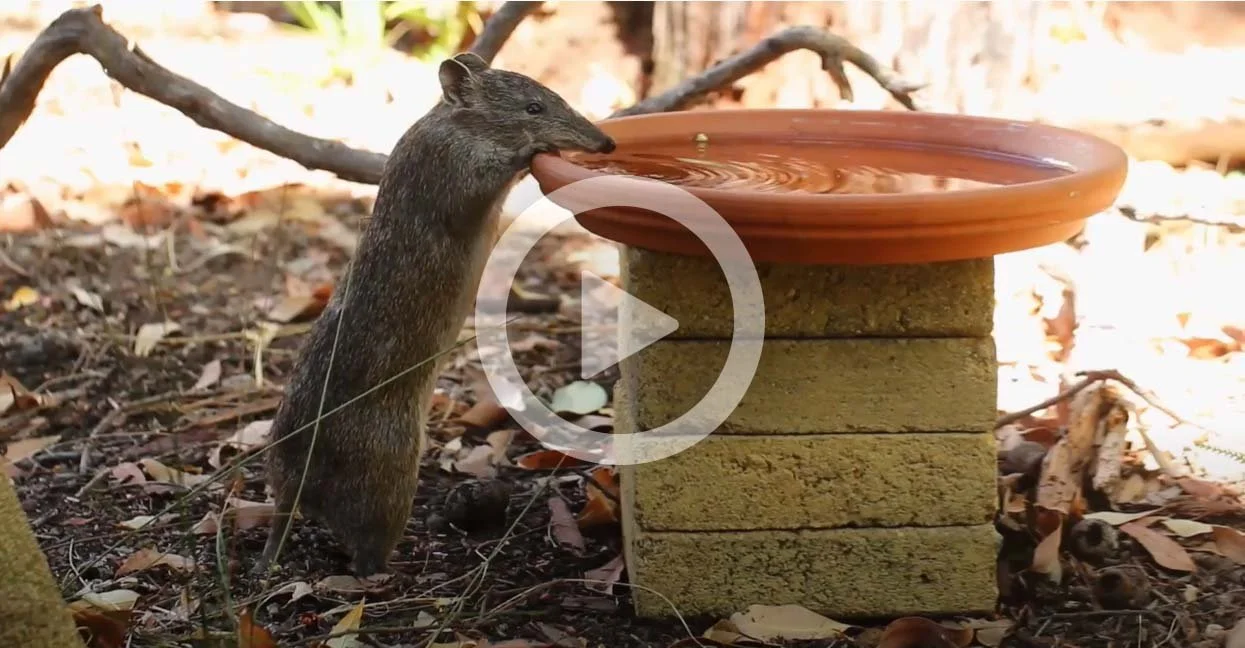
Water Access: How can we look after our existing waterways and provide safe alternative sources to help native animals through the dry months. What do different animals look for in a water source (high or low, sheltered or open, deep or shallow)?
Human support: How are humans impacting the food supply of our native wildlife? What can we do in our local area to ensure they have access to reliable food and water sources all year round?
More Resources
USEFUL RESOURCE LINKS
· Cherriman Family's Bird Attracting Garden
· What Animals, Fungi and Plants live here
A Walk Through a Water Catchment
Artist and Biodiversity Educator Angela Rossen and Environmental Educator Cathy Levett discuss and explore local waterways.
Design Skills for Communicating a Message
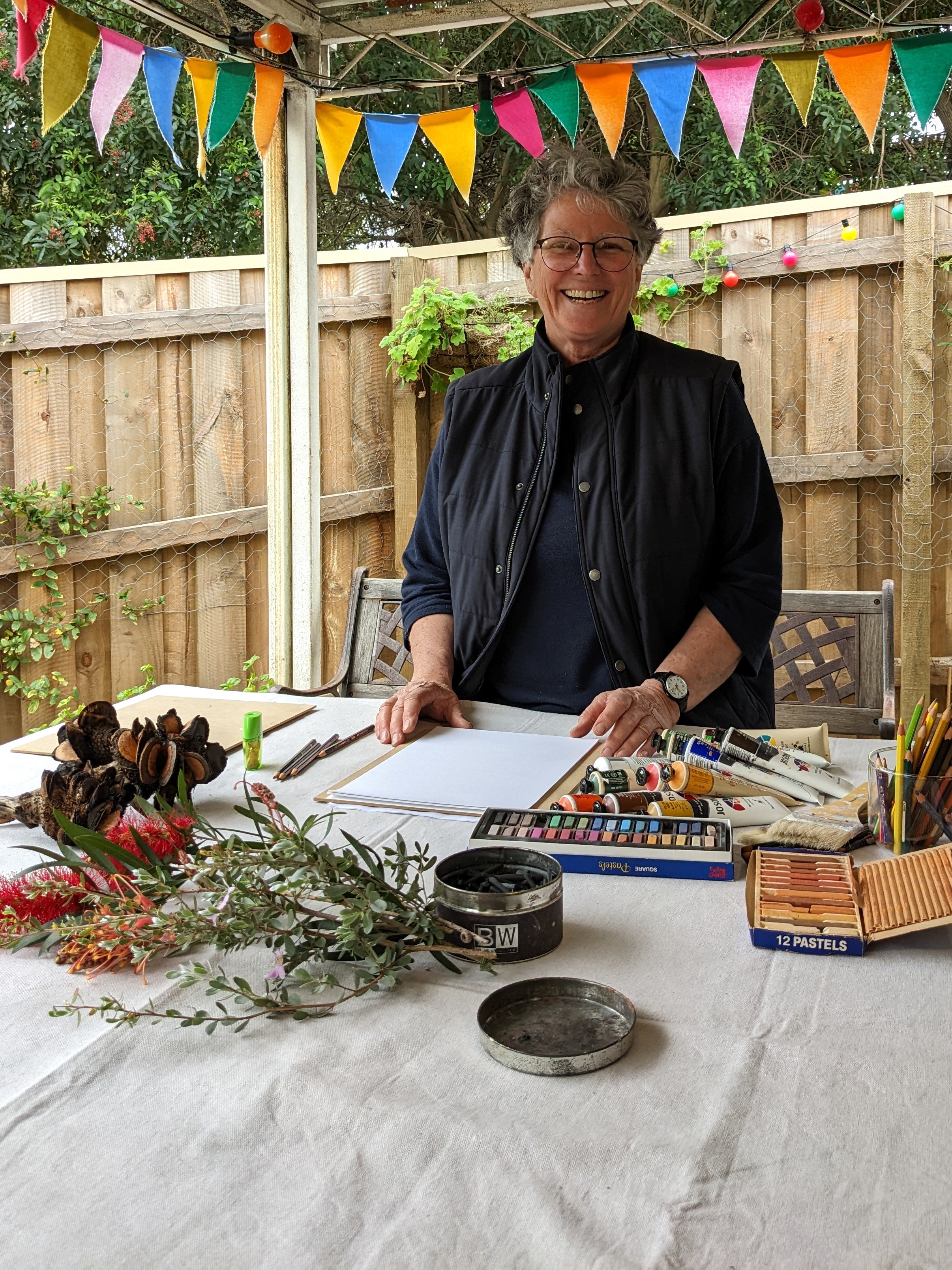
Angela Rossen shares her ideas for creating unique poster designs that promote waterway conservation.
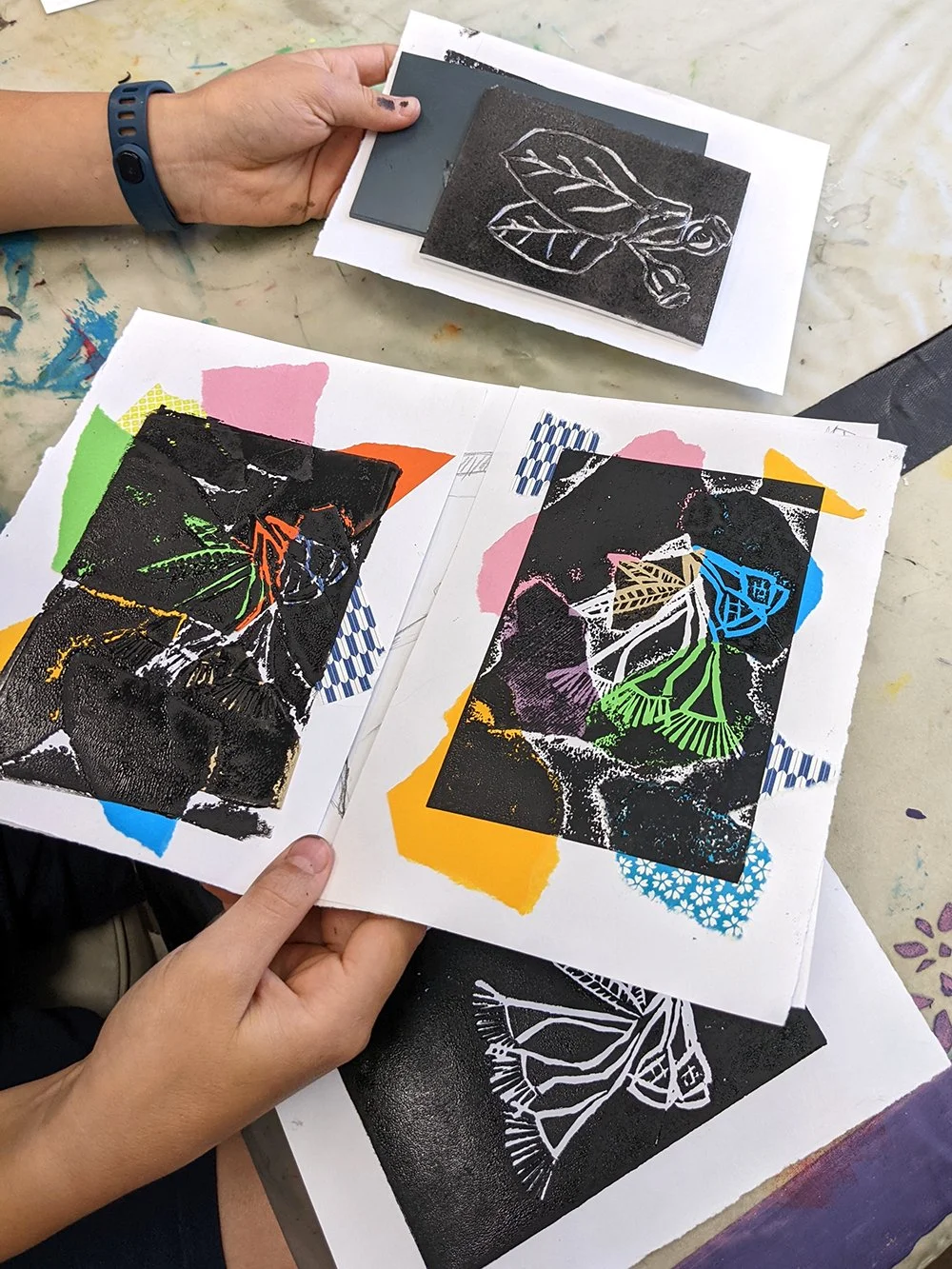
Creating an Artwork
Angela explores how to transform what you've learnt into an artwork that communicates your message.